

Using Video to Record the Crime Scene
Steven Staggs
© 2014 from the book Crime Scene and Evidence Photography, 2nd Edition
Videotaping is valuable for showing an overview of the crime scene and should be considered in major cases. While video cannot replace still photographs due to its lower resolution, videotaping does provide an easily understandable viewing medium that shows the layout of the crime scene and the location of evidence. Video tapes of crime scenes are not often used in court, but they are valuable illustrations for explaining the scene to other investigators and are often used to refresh the memory of those who were involved in processing the crime scene.
Video tapes are considered evidence. You should record only one scene on a video tape and the original video tape should not be edited.
Crime scene videotaping techniques
When videotaping crime scenes, you should start the videotape with a brief introduction presented by an investigator. The introduction should include the date, time, location, type of crime scene, and any other important introductory information. The introduction should also include a brief description of the rooms and evidence that will be viewed in the videotape. The investigator may want to display a basic diagram as an illustration during the introduction.
Following the introduction the recording is paused and the microphone is turned off. This will prevent any distracting sounds from recording on the video tape during the taping of the scene. Begin videotaping the crime scene with a general overview of the scene and surrounding area. Continue throughout the scene using wide angle and close up views to show the layout of the scene, location of evidence, and the relevance of evidence within the crime scene. While videotaping, use slow camera movements such as panning, and zooming.
 Using Video to Record the Crime Scene Copyright: © 2014 by Steven Staggs. Copyright for this article is retained by the author, with publication rights granted to the Crime Scene Investigation Network. This is an Open Access article distributed under the terms of the Creative Commons Attribution-NonCommercial-NoDerivatives 4.0 International License which permits
unrestricted noncommercial use, distribution, and reproduction, provided the original work is
properly cited and not changed in any way.
Using Video to Record the Crime Scene Copyright: © 2014 by Steven Staggs. Copyright for this article is retained by the author, with publication rights granted to the Crime Scene Investigation Network. This is an Open Access article distributed under the terms of the Creative Commons Attribution-NonCommercial-NoDerivatives 4.0 International License which permits
unrestricted noncommercial use, distribution, and reproduction, provided the original work is
properly cited and not changed in any way.
About the Author
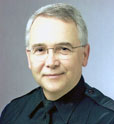 For 34 years Steven Staggs was a forensic photography instructor and trained more than 4,000 crime scene technicians and investigators for police and sheriff departments, district attorney offices, and federal agencies. He was also a guest speaker for investigator associations, appeared as a crime scene investigation expert on Discovery Channel's Unsolved History, and provided consulting to law enforcement agencies.
Steve has extensive experience in crime scene photography and identification. He has testified in superior court concerning his crime scene, evidence, and autopsy photography and has handled high profile cases including a nationally publicized serial homicide case.
Steve is the author of two books on crime scene and evidence photography, the text book Crime Scene and Evidence Photography and the Crime Scene and Evidence Photographer's Guide. The guide is a field handbook for crime scene and evidence photography, which sold over 10,000 copies and has been in use by investigators in more than 2,000 law enforcement agencies.
Steve retired in 2004 after 32 years in law enforcement, but continued to teach forensic photography and crime scene investigations at a university in Southern California.
Article submitted by the Author
Article posted: September 26, 2104